Natural Paradise Reviews: Insights for Your Galápagos Luxury Cruise
What Travelers Look for in a Galápagos Cruise
Choosing a Galápagos cruise is a decision that blends practical planning with a sense of wonder. The islands themselves are extraordinary, and the vessel you choose shapes how you experience them. For anyone considering a trip aboard a small luxury yacht like the Natural Paradise yacht, reading through natural paradise reviews can reveal what makes the difference between a good trip and a truly memorable one. Experienced travelers often note that the size of the boat matters deeply, as a vessel carrying only 16 passengers allows for a more intimate and flexible itinerary. When you read these accounts, you notice patterns about what people value most: the quality of the guides, the condition of the equipment, and the daily rhythm of activities.
The Galápagos Islands are not like a typical beach vacation. You are out in the Pacific Ocean, visiting islands that have changed little since Charles Darwin walked their shores. The wildlife is famously unafraid, which means you can get close to giant tortoises, blue-footed boobies, and marine iguanas without disturbing them. But getting to these spots requires a boat that can navigate well and a crew that knows the waters. That is where the reputation of a specific yacht, gathered through honest feedback, becomes useful. Natural paradise reviews often highlight how the ship handles the sometimes choppy seas between islands like Fernandina Island and Isabela Island, which is a key consideration for anyone prone to seasickness.
Why a Small Luxury Yacht Makes a Difference
The phrase "luxury yacht" gets thrown around a lot, but in the Galápagos context it usually means a ship with fewer than 20 cabins, private bathrooms, good food, and a high ratio of crew to guests. The Natural Paradise yacht fits that description. When you look at natural paradise reviews, one point comes up again and again: the benefit of small groups. On a larger ship you might have 40 or more people on a single panga ride. On a 16-passenger vessel, you can land at a site like Punta Suárez or North Seymour Island and feel like you have the place to yourself, at least for a few minutes. That matters when you are trying to photograph a marine iguana without a crowd in the frame.
Another factor is the flexibility that a small yacht offers. Larger boats run on fixed schedules because they have more passengers to move. A smaller boat can change plans based on weather or wildlife sightings. Reviews sometimes mention how the captain decided to alter the route to spend extra time at a snorkeling spot near Darwin Bay because the conditions were perfect. That kind of responsiveness is something you cannot get on a bigger cruise line. It also speaks to the quality of the crew, especially the expert naturalist guides who accompany every excursion. They are typically trained in biology, geology, or ecology, and they know where to find the nesting zones of the blue-footed boobies or the best tide pools for sea lions.

What to Expect from the Onboard Experience
Aboard a luxury yacht, the days follow a rhythm that balances activity with rest. Mornings often start early, with a pre-breakfast outing to a site like Bartholomew Island, known for its volcanic cone and panoramic view of the archipelago. After breakfast, you might go snorkeling or kayaking along a coastline where sea turtles glide past. Lunch is served back on the yacht, followed by a quiet siesta hour when many passengers nap or read. Afternoon excursions take you to a different island, such as Sullivan Bay with its twisted lava flows, or Santa Cruz Island, where the Charles Darwin Research Station houses the breeding program for giant tortoises. Evenings on the Natural Paradise yacht include a briefing about the next day's plan, dinner, and often time spent on the deck watching the stars over the Pacific Ocean.
Reading natural paradise reviews helps you gauge what the food is like, how comfortable the cabins are, and whether the air conditioning works well. These details might seem minor, but after a day of hiking under the equatorial sun, a cool room and a good meal matter a lot. The reviews also give you a sense of the social atmosphere. A 16-passenger boat means you will eat every meal with the same people. That can be a wonderful thing if the group is friendly, or it can be awkward if personalities clash. Most reviewers say the shared experience of seeing the islands creates a bond that lasts beyond the trip.
Key Islands and Sites You Will Likely Visit
Every itinerary in the Galápagos is subject to change based on permits and conditions, but certain islands appear on almost every route. Here are some of the most frequently visited sites and what makes each one special:
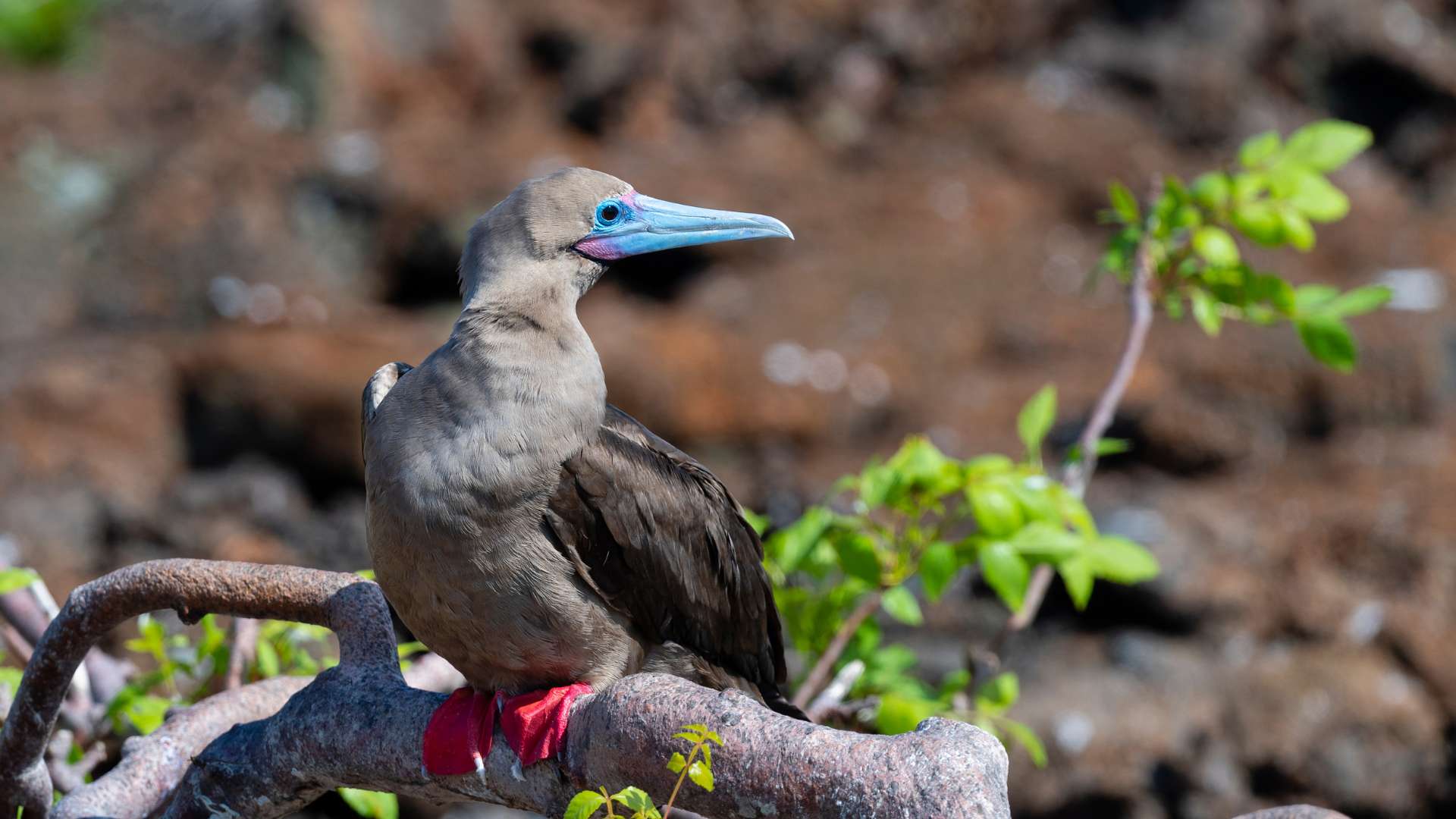
- North Seymour Island, A flat island famous for its frigatebird colonies and blue-footed booby nesting areas. The landing is dry, and the walking trail offers close-up views of courting birds.
- Punta Suárez, Located on Española Island, this site has a large colony of marine iguanas and a rocky shoreline where sea lions lounge. The blowhole at the tip of the island can shoot water high into the air on rough days.
- Bartholomew Island, Known for its volcanic landscapes and the climb up to the summit for a 360-degree view of the surrounding islands. The snorkeling here is excellent, with good chances of seeing white-tip reef sharks.
- Darwin Bay, On Genovesa Island, this flooded volcanic caldera is a sanctuary for seabirds. You can kayak through the calm waters or hike along the rim to see red-footed boobies and swallow-tailed gulls.
- Fernandina Island, The youngest island in the archipelago, with active volcanic terrain and a dramatic coastline. It is one of the best places to see flightless cormorants and marine iguanas up close.
Each of these sites offers something different, and the order in which you visit them is part of the planning. The expert naturalist guides on the Natural Paradise yacht know how to time the visits to avoid crowds and maximize wildlife activity. For instance, they might schedule a morning at Sullivan Bay to catch the light at the right angle for photography, or they might push a kayaking trip to late afternoon when the wind dies down and the water turns glassy.
Practical Considerations for Travelers
Getting to the Galápagos Islands means flying into Ecuador, either to Quito or Guayaquil, and then taking a connecting flight to Baltra or San Cristóbal. The yacht typically meets you at the airport and handles all transfers. Passports, visas, and park entrance fees are part of the pre-trip paperwork. Many people worry about seasickness, and it is a legitimate concern. The Pacific Ocean can be rough, especially when crossing between islands. The Natural Paradise yacht is stabilized, but if you are sensitive to motion, it is wise to bring medication or acupressure bands. The crew can also advise on the best cabin location for stability.
Packing is another area where preparation matters. Light layers, a waterproof jacket, strong sunscreen, and a hat are essential. Snorkeling gear is usually provided, but some people prefer to bring their own mask and snorkel for fit. The yacht supplies wetsuits, which are helpful because the water temperature can be cool, especially in the western islands around Fernandina Island. A good camera with a zoom lens is almost a requirement, because you will see animals at close range and the light can be harsh. Most importantly, bring a sense of adventure and patience. The wildlife operates on its own schedule. You might wait twenty minutes for a giant tortoise to cross the trail, and that waiting is part of the experience.

Final Thoughts on Choosing a Galápagos Cruise
Reading a range of feedback from past passengers gives you a realistic picture of what the trip involves. The best natural paradise reviews are the ones that mention both the highlights and the minor drawbacks, such as the limited variety of fresh produce after a week at sea, or the fact that Wi-Fi can be spotty. These are small trade-offs for the privilege of waking up each morning in a different anchorage, surrounded by wildlife that has no fear of humans. The Galápagos Islands remain one of the few places on Earth where you can experience nature on its own terms. A well-chosen cruise, guided by the insights of those who have gone before you, can make that experience as comfortable as it is profound.